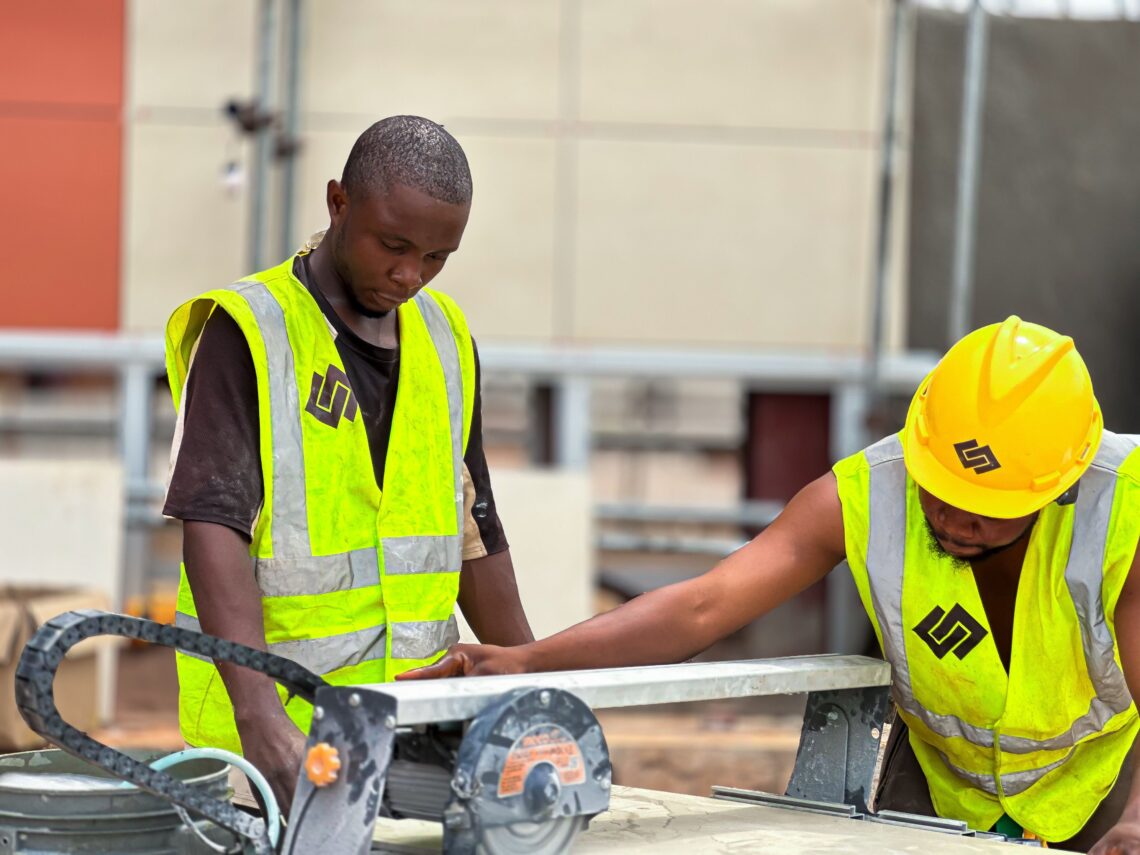
What Contractors Look For When Selecting High-Performance Tools For Demanding Job Sites
Step onto any busy job site, and you’ll spot the tool gap almost immediately. A crew running solid, powerful equipment moves with purpose, like they’ve got somewhere better to be. A crew wrestling with jammed motors, batteries that die at noon, and handles that seem to actively resent human hands? They lose hours by the fistful – sometimes the whole job along with them.
Tool selection, for a contractor, is really a business call dressed up in steel and plastic. Good gear protects your timeline, your budget, and the occasional fingertip. Bad gear hands you costly delays and a crew swearing in ways best left undocumented. So, what lifts a tool into the keeper pile instead of the truck’s forgotten bottom layer? It tends to come down to three things: durability, comfort, and honest performance.
Durability and Reliability: Built to Survive the Site
Nobody ever accused a job site of being gentle. Dust, mud, punishing heat and cold, relentless vibration, and the odd unscheduled tumble off the scaffolding all chip away at your equipment. Contractors learn fast that a glossy spec sheet counts for nothing if the tool can’t make it through an ordinary Tuesday.
So, durability lands right at the top. Experienced contractors dig into build quality – metal gear housings instead of hopeful plastic, sealed parts that keep grit on the outside where it belongs, reinforced casings that shrug off a drop. Reliability matters every bit as much. A tool that shines in the showroom, but folds under real load is just an expensive paperweight with attitude.
Heavy equipment makes the case nicely. A hydraulic hammer is expected to deliver thousands of blows under serious pressure, usually somewhere cramped and miserable. Contractors trust them because they keep swinging when the conditions turn ugly. That same thinking runs straight through the kit, from cordless drills to demolition saws: can’t take a beating, won’t make the cut.
Ergonomics and Comfort: Protecting the People Behind the Tools
Performance isn’t only about the machine. It’s about whoever’s gripping it for eight hours straight. A tool can pack ferocious power, but if it leaves someone’s hands aching before lunch, output drops and injuries creep up.
That’s why ergonomics has earned a real seat at the table. Contractors now think hard about weight balance, grip shape, and vibration control before the wallet comes out. Tools that ease the strain let crews push longer and safer, and that shows up directly in how much gets finished before the whistle.
Vibration is worth a closer look. Years of exposure to buzzing equipment can leave lasting damage, so manufacturers have sunk real money into anti-vibration systems and better-balanced designs. Sharp contractors take note. They understand that a comfortable crew gets more done, and that easing fatigue now means fewer injuries and less turnover down the road.
Power and Efficiency: Getting the Job Done Right
When the dust settles, a tool has to perform. Power and efficiency are where reputations get built – or quietly buried under the rubble. Contractors want gear that works fast without losing precision or burning through energy like it’s free.
Power output is the obvious place to start. A tool needs enough grunt for the task at hand, whether that’s boring through reinforced concrete or driving fasteners till dusk. But muscle on its own won’t carry you. Efficiency decides where that power actually goes. Cordless tools, for one, rise or fall on run time and charge speed, since standing around waiting on a battery is downtime nobody can afford.
Fuel and energy use matter too, especially on big jobs where running costs pile up quietly. A tool that guzzles fuel or batteries can end up costing more across a year than the price tag ever hinted at. The best of the bunch strike a balance – plenty of power matched with a reasonable appetite.
Investing in the Right Tools for Success
For contractors, picking high-performance tools was never about the flashiest logo or the lowest sticker. It’s about finding equipment that holds up when pushed, keeps crews safe and comfortable, and brings enough muscle to finish the job properly.
Durability protects the investment. Ergonomics protects the people. Power and efficiency protect the schedule. Put those together and you’ve got a tool worth owning. Contractors who weigh all three before buying usually spend less over the long haul and earn a name for dependable work. On a tough job site, that reputation is the sharpest tool you’ll ever carry!